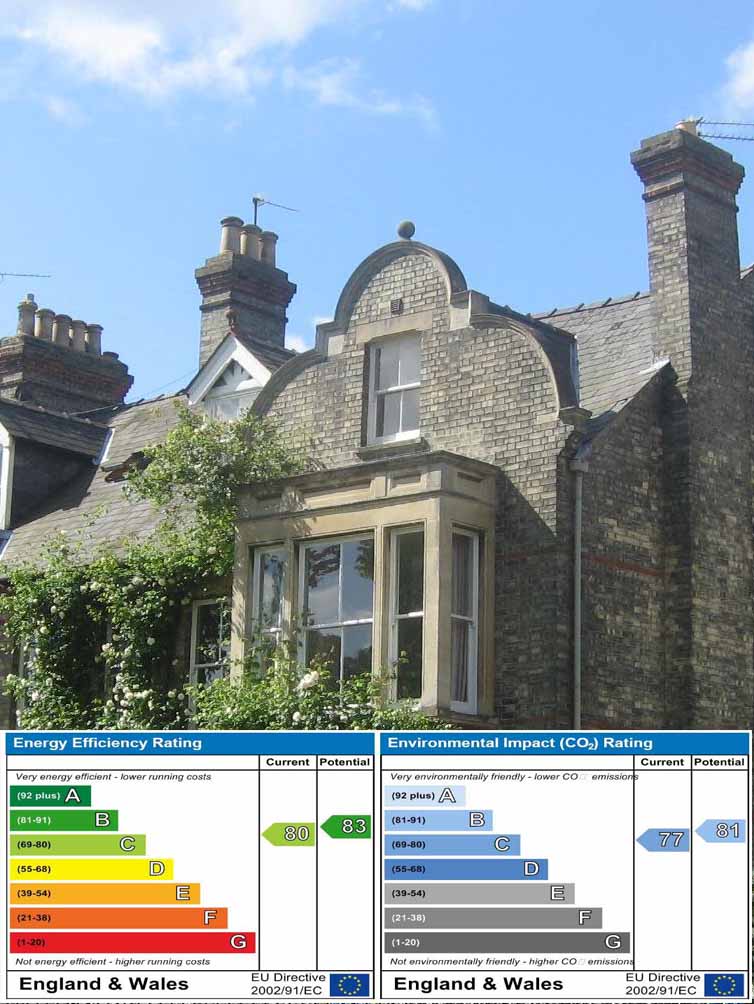
When should an EPC be required?
Since 1 October 2008, all homes, when built, sold or
rented need an EPC.
It is a requirement
before marketing all dwellings for sale or rent to commission an EPC.
How long is a Domestic EPC valid for?
An EPC for a dwelling will be valid for 10 years or until replaced with a newer
one.
The EPC must be no more than 3 years old when the property is placed on the market for sale.
What is involved in a domestic energy inspection?
Once an EPC has been commissioned, one of our energy assessors will contact the
owner or tenant to arrange a convenient time to visit the property. During the survey, the assessor will inspect the property
and collect data including:
- Either external
or internal dimensioning
- Detail of construction
of walls, windows, and floors
- Heating and hot
water system
- Photographs of all the items above as evidence of inspection
What is the penalty for not providing an EPC?
The enforcement of commissioning EPC's is undertaken by the Trading Standards
department of the local authority.
If the landlord has failed to provide an EPC to a tenant, or fails to show an EPC
to an enforcement officer when asked, Trading Standards can issue a notice with a penalty charge of £200 per dwelling.
For more information please see http://www.communities.gov.uk/